

Blastocyst Transfer
Blastocyst transfer at a glance
- A blastocyst is an embryo at an advanced stage of development where it begins to form a fluid-filled core.
- Embryos that have matured to this stage are more likely to result in a pregnancy.
- Ideally, all women undergoing IVF would get a transfer with embryos that have progressed to the blastocyst stage.
- However, a blastocyst transfer is not suitable for all women and not all embryos will progress to this stage. In these cases, day-three embryo might have resulted in higher pregnancy rates.
 What is a blastocyst transfer?
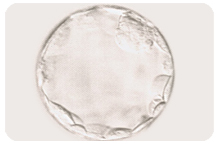
A blastocyst is an embryo that has progressed to a stage where it begins to form a fluid-filled core. This usually occurs five to six days after ovulation, and is a critical part of embryo development. Blastocyst transfer is the placement of blastocysts into the uterus.
Why is it performed?
Embryos that have progressed to the blastocyst stage are more likely to result in pregnancy than are embryos at earlier stages (day two, three or four embryos).
This is thought to be a result of natural selection of the embryos, meaning that the embryos that have progressed in culture to the blastocyst developmental stage are the healthiest embryos of the group and capable of surviving and growing to this stage.
Will I get a blastocyst transfer?
Ideally, all women would get a transfer with embryos that have progressed to this stage. However, this type of transfer is not suitable for all women.
The day of embryo transfer depends on the number and quality of embryos available on the third day after the eggs are harvested from the woman.
If a woman has four or more high quality embryos on the third day after egg harvest, she is likely to have blastocysts two days later. If the woman is older than 35, or has few high quality embryos on the third day after transfer, she is less likely to have blastocysts two days later. A day-three embryo transfer is often more appropriate for these women.
What are the advantages of this type of embryo transfer?
A blastocyst transfer allows for the selection of embryos that have the highest chance of resulting in pregnancy. This means we can generally put fewer embryos back into the uterus while maintaining excellent pregnancy rates.
What are the risks and disadvantages?
The major disadvantage of blastocyst transfer is the possibility that no embryos will progress to this stage. This may occur for many reasons, such as an embryo being genetically abnormal or not tolerating the artificial culture system.
In these cases, a day-three embryo might have resulted in higher pregnancy rates. This scenario cannot be predicted unless a couple has done IVF before.
There is also a question of whether imprinting disorders are more common in embryos cultured to the blastocyst stage. As with ICSI, it is uncertain whether the culture conditions or the infertility diagnosis is the cause of this suspected risk. Either way the risk of imprinting disorders is rare.